Chronic Shoulder Pain Has Met Its Match: SoftWave
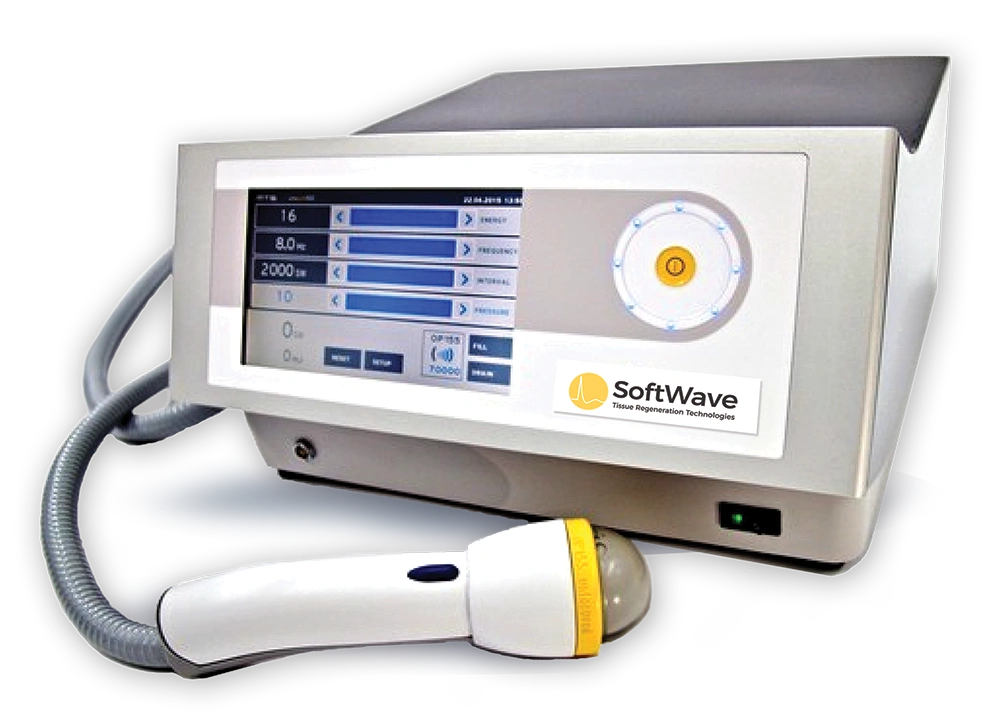
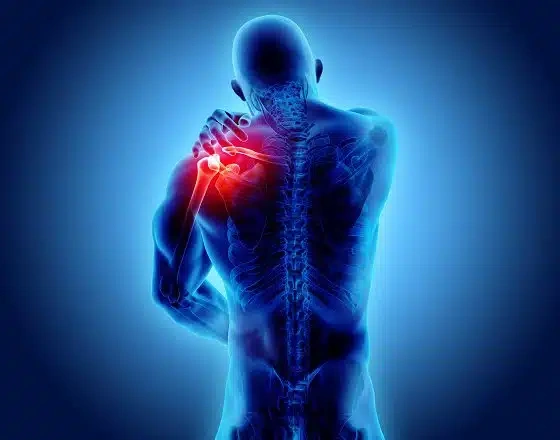
Reaching overhead, sleeping on your side, lifting a bag, or just getting dressed. Shoulder pain makes all of it harder than it should be. SoftWave TRT penetrates deep into the damaged tissue driving that limitation and triggers the repair process that puts you back in control.
Your Shoulder Is Very Mobile.
That Mobility Comes with Cost.
Rotator Cuff Tears and Tendinitis
Frozen Shoulder (Adhesive Capsulitis)
Shoulder Impingement Syndrome
Bicep Tendon Problems
AC Joint Arthritis
Post-Surgical Scar Tissue
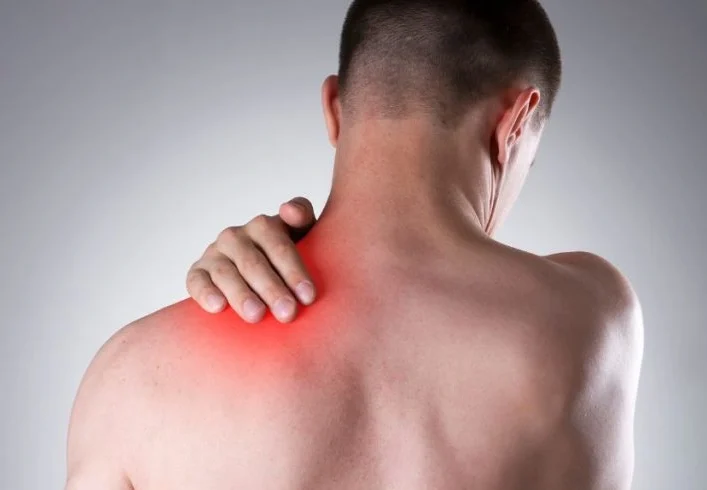
Shoulders Don't Heal Easily. Here's Why Your Treatment Hasn't Worked.
The shoulder has notoriously poor blood supply to key structures like tendons and the rotator cuff. That’s what makes shoulder injuries so slow to heal and why standard treatments so often fall short:
Medication
Pain relievers and anti-inflammatories reduce the sensation of pain without doing anything to repair the torn or degenerated tissue causing it. When the medication clears your system, the structural problem is exactly where you left it.
Cortisone Injections
A cortisone injection into the shoulder bursa or joint can quiet inflammation for weeks or months, but the effect is temporary and diminishes with each use. There’s also growing evidence that repeated injections can weaken tendon tissue and accelerate the degeneration they’re meant to address.
Physical Therapy
Shoulder PT is often valuable for restoring range of motion and strengthening the supporting musculature. But when the underlying problem is a partial rotator cuff tear, chronic tendinitis, or frozen shoulder capsule, exercise alone isn’t enough to drive the tissue repair needed for lasting relief.
Rotator cuff repairs and other shoulder procedures can be effective but they come with lengthy post-operative rehabilitation, significant pain, and recovery timelines measured in months. Many patients find that surgical results plateau before full function is restored.
SoftWave Has Strong Results For Shoulders That Haven't Responded to Anything Else.
- Rotator cuff tendinitis or partial tears
- Frozen shoulder at any stage
- Shoulder impingement syndrome
- Bicep tendon pain or tendinitis
- AC joint arthritis or injury
- Post-surgical shoulder pain and scar tissue
- Shoulder pain that hasn't responded to PT, injections, or medication
- "I haven't been able to sleep on my right side in months"
- "I can't reach the top shelf or put on a jacket without wincing"
- "The PT helped a little but the pain always comes back"
- "My doctor says I need a rotator cuff repair and I want to try something else first"
- "The cortisone worked the first time but not anymore"
- "My arm feels weak and I don't know if that's going to be permanent"
Restore Motion
The SoftWave Process at Key to Health
From your first conversation to your personalized SoftWave treatment plan, here’s how the process will unfold.
Initial Consultation
Dr. Sandy will sit down with you to talk through your pain, your history, and your goals. It’s a no-pressure conversation to make sure SoftWave is the right fit before anything else happens.
There’s no commitment required and no hard sell. Just an honest conversation about what you’ve been dealing with and whether SoftWave makes sense for you.
SoftWave Session
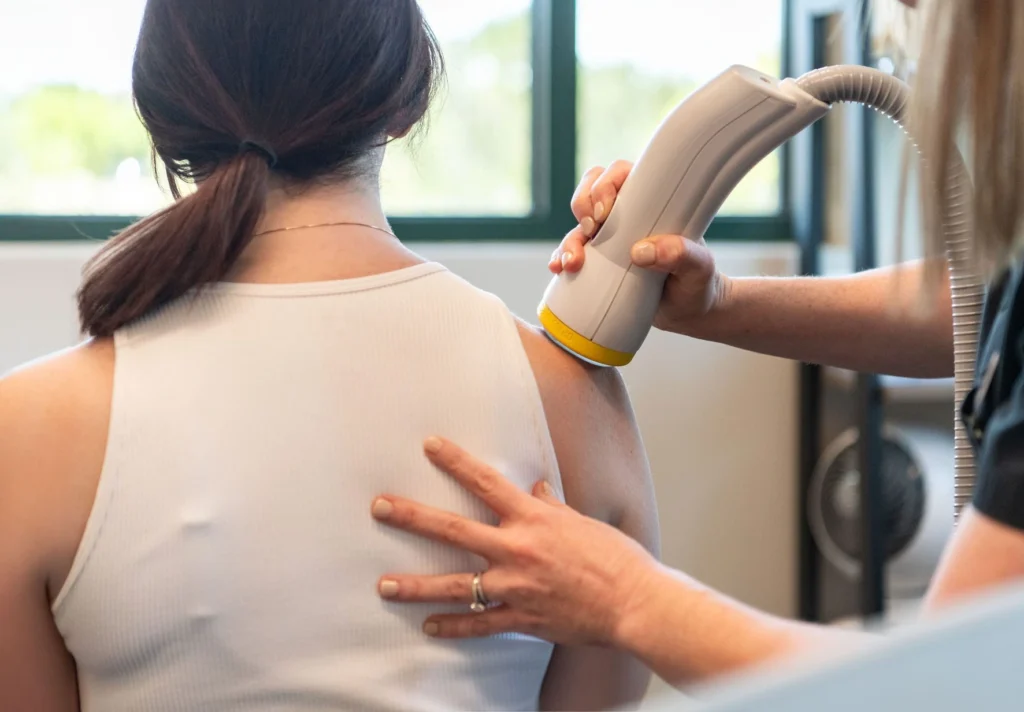
The SoftWave device is applied directly to the area of concern. You’ll feel a gentle pulsing sensation as the acoustic waves get to work on the damaged tissue underneath.
The treatment is non-invasive and comfortable, with no anesthesia and no preparation needed beforehand.
Most sessions take around 15 minutes from start to finish.
Ongoing Treatment Plan
Dr. Sandy will put together a plan tailored to your specific condition and the results she sees from your first session. Most patients see the best results over a series of sessions, and she’ll walk you through exactly what that looks like for you.
Every plan is different because every patient is different, and Dr. Sandy will make sure yours fits your life and your schedule.
The Poconos' Home for SoftWave Therapy
Key to Health Chiropractic is conveniently located in Stroudsburg, PA and proudly serves the entire Poconos area.
SoftWave Therapy – By Appointment Only
SoftWave sessions are scheduled individually and are not offered during standard office hours. Call us during the hours listed above and we’ll find a time that works for you.
Frequently Asked Questions About SoftWave Therapy
Everything you want to know about SoftWave therapy before you come in.
Can SoftWave heal a rotator cuff tear without surgery?
For partial rotator cuff tears, SoftWave has shown strong results in reducing pain and stimulating tissue repair. Full thickness tears that have caused significant structural loss may still require surgical intervention, but many patients with partial tears find meaningful and lasting relief through SoftWave. Dr. Sandy will give you an honest assessment based on your specific situation.
How does SoftWave help frozen shoulder?
Is SoftWave effective for shoulder impingement?
I had shoulder surgery a few years ago and still have pain. Can SoftWave help?
Is the treatment uncomfortable given how sensitive the shoulder is?
Most patients describe the sensation as a gentle rhythmic pulsing on the surface of the skin. Even in sensitive shoulder areas, the treatment is well tolerated and requires no numbing or anesthesia of any kind.
Your Shoulder Has Been Holding You Back. SoftWave Can Change That.
Key to Health Chiropractic is now accepting new SoftWave patients in Stroudsburg and the Poconos.
Schedule a consultation with Dr. Sandy and find out what SoftWave can do for your shoulder pain specifically.